
5×1 Tanalised Fence Boards 125mm x16mm finish
£1.605×1 tanalised fence boards used for garden and agricultural fencing where treated timber, consistent sizing, and practical durability are required.
High-quality, pressure-treated timber boards for closeboard fencing, picket fences, and garden screening.
Fence Boards Products
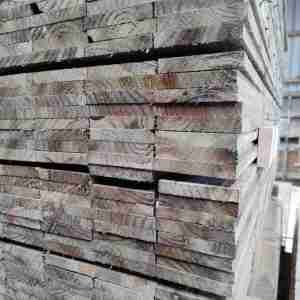
5×1 tanalised fence boards used for garden and agricultural fencing where treated timber, consistent sizing, and practical durability are required.
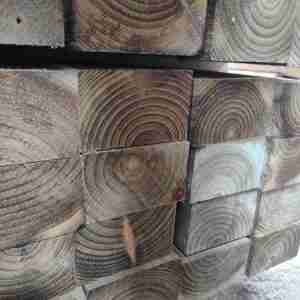
Budget tanalised fence rails used for supporting garden and agricultural fencing where treated timber and cost-effective performance are required.
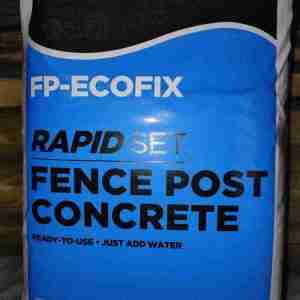
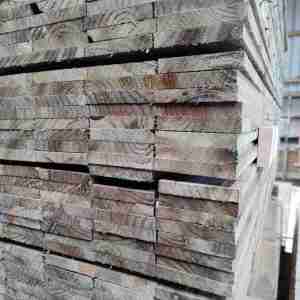
4×1 tanalised fence boards used for garden and agricultural fencing where treated timber and consistent board sizing are required.
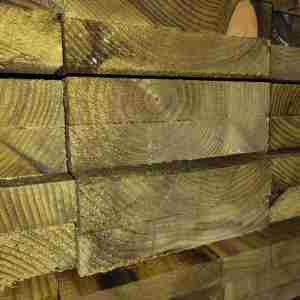
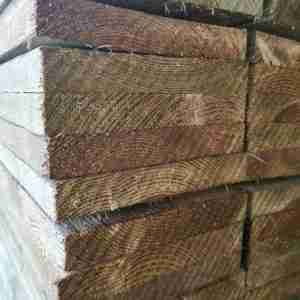
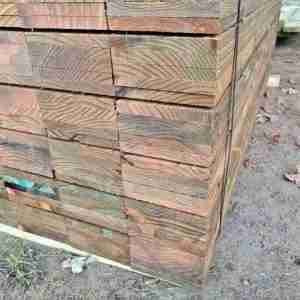
6×1 tanalised fence boards used for garden and boundary fencing where a treated, practical board is required for outdoor conditions.
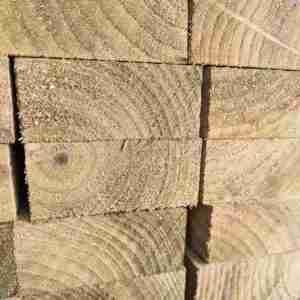
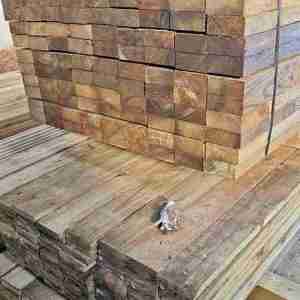
Tanalised fence rails used for building and repairing timber fencing where a treated, rough sawn rail is required for outdoor conditions.
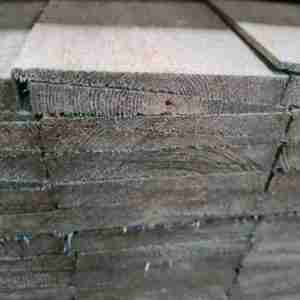
Tanalised feather edge fence boards used for closeboard fencing where a durable, treated board is required for outdoor conditions.
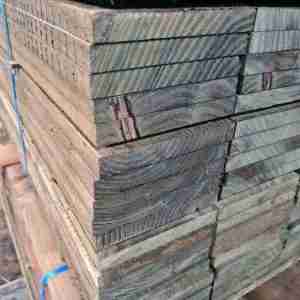
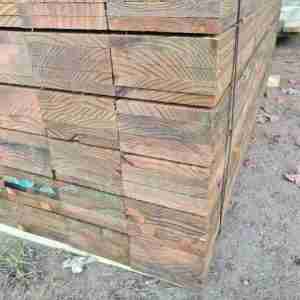
Tanalised Yorkshire boards used for agricultural and garden fencing where wider boards and traditional overlap detailing are required.
Ryedale Timber supplies tanalised fence boards to trade and DIY customers in Pickering and across North Yorkshire. Our boards are pressure-treated to Use Class 3 standards, providing long-term protection against fungal decay and insect attack. Whether you are building a traditional featheredge “closeboard” fence or a modern slatted screen, we provide the raw materials required for a professional, durable finish.
Fence boards (often called pales or slats) are the vertical infill components of a fence. Unlike standard “dip-treated” timber which only has a surface coating, our boards undergo a high-pressure tanalising process. This forces preservative deep into the timber fibres, making them suitable for permanent outdoor exposure.
We stock a variety of widths including 100mm (4-inch) and 125mm (5-inch) pales, alongside traditional tapered featheredge boards for overlapping styles.
Selecting the right board depends on your desired aesthetic and the local environment:
Closeboard Fencing: Uses overlapping Featheredge Boards to create a solid, private barrier. Ideal for security and wind-breakage.
Picket Fencing: Uses straight-edged pales (often 100mm or 75mm) with gaps between them. Perfect for front gardens and defining boundaries without blocking light.
Yorkshire Boarding: Large 150mm x 22mm boards often used for agricultural buildings or heavy-duty boundary fencing where airflow is required.
Modern Slatted Screens: Horizontal installation of narrow boards to create a contemporary architectural look for patios and seating areas.
In the timber trade, “nominal” sizes refer to the section of the wood before it is planed or seasoned.
Important Note: A standard “4×1” fence board (100mm nominal) typically has a finished thickness of 16mm. Always use the finished dimensions for your calculations, especially when choosing the correct length of galvanised nails or screws to ensure they do not pierce through the back of your rails.
Choose the profile that best fits your project requirements:
| Board Type | Best For | Privacy Level | Standard Thickness |
|---|---|---|---|
| Featheredge | Closeboard / Overlap fencing | High (Solid) | 2ex 22mm (Tapered) |
| Straight-Edge (4×1) | Picket fences / Hit & Miss | Medium (Gapped) | 16mm Finished |
| Yorkshire Board | Agricultural / Heavy Duty | Medium | 22mm |
Ground Contact Warning: Do not allow the bottom of your fence boards to come into direct contact with the soil. Even pressure-treated timber will deteriorate prematurely if sat in constant moisture. Always install a Gravel Board (timber or concrete) at the base of the fence to protect the pales from ground rot.
Fixing Requirements: Always use galvanised or stainless steel fixings. Standard bright steel nails will react with the tanalising chemicals and the natural tannins in the wood, leading to “bleeding” (black streaks) and premature corrosion of the fastener.
Yard-Direct Quality: We don’t just “drop ship.” We manage our own stock in Pickering to ensure boards are stored flat and remain straight for your project.
Local Knowledge: We understand the requirements for coastal builds in Whitby or wind-swept agricultural sites in the North York Moors.
We deliver our full range of tanalised fence boards and rails to the following areas. Deliveries typically take 3–5 working days.
| Delivery Area | Postcodes Covered | Flat Rate | Minimum Spend |
|---|---|---|---|
| Pickering | YO18 | £5.00 | £50 |
| Malton | YO17 | £10.00 | £100 |
| Scarborough | YO11, YO12, YO13 | £10.00 | £100 |
| Filey | YO14 | £12.00 | £100 |
| Helmsley | YO62 | £15.00 | £150 |
| Kirkbymoorside | YO62 | £15.00 | £150 |
| Bridlington | YO15, YO16 | £15.00 | £200 |
| Whitby | YO21 | £20.00 | £200 |
| Robin Hood’s Bay | YO22 | £20.00 | £200 |
| Driffield | YO25 | £30.00 | £300 |
| York | YO1, YO10, YO19, YO23, YO24, YO26, YO30, YO31, YO32, YO43, YO44, YO51, YO60 | £30.00 | £300 |
| Easingwold | YO61 | £30.00 | £300 |
| Thirsk | YO7 | £35.00 | £300 |
| Pocklington | YO41, YO42 | £35.00 | £350 |
| Guisborough | TS14 | £40.00 | £500 |
Complete your fencing project with our professional-grade components:
For the majority of UK domestic projects, pressure-treated Redwood (Scots Pine) is the best choice. It offers the ideal balance of cost and durability because redwood absorbs preservative treatments much more effectively than cheaper “Whitewood” (Spruce) alternatives. For premium projects where natural rot resistance and aesthetics are the priority, Western Red Cedar is a superior, though more expensive, option.
Generally, you can build a fence up to 2 metres (approx. 6ft 6in) high without planning permission. However, if the fence borders a highway or a footpath used by vehicles, the limit is usually 1 metre. Always check with your local authority or your deeds for restrictive covenants before installation, as rules can vary between North Yorkshire and East Yorkshire planning offices.
Yes. Because fence pales are thin and have a high surface-area-to-volume ratio, they are highly susceptible to weathering and rot. Dip-treated boards require annual re-coating to remain effective. Pressure-treated (tanalised) boards provide a much deeper level of protection that lasts for years without the need for immediate painting or staining.
The most common mistake is using the wrong side of the board; for featheredge, the thick edge should always overlap the thin edge of the previous board by at least 25mm to allow for natural timber shrinkage. Another frequent error is using inadequate fixings; ensure you use two nails per rail per board to prevent “cupping” or warping as the timber seasons in the sun.
Are pressure-treated fence boards suitable for ground contact?
They are suitable for near-ground exposure but should not be permanently submerged.
Can I mix different fence board profiles?
Only where the fence design allows. Mixing profiles usually causes alignment and fixing issues.
Do treated fence boards need painting or staining?
Not for protection. Finishes can be applied once the timber has dried, if appearance is important.
What length boards should I choose?
Choose lengths that minimise cutting and joints for a stronger, cleaner fence line.
WhatsApp us
Your basket is currently empty!
Notifications