
5×3 Agriculture Timber Shed Purlins
£18.005×3 agricultural timber shed purlins used to support roof coverings on sheds and agricultural buildings where practical span control and load transfer are required.
Heavy-duty structural timber for agricultural buildings, industrial sheds, and traditional roof framing.
Shed Purlins Products
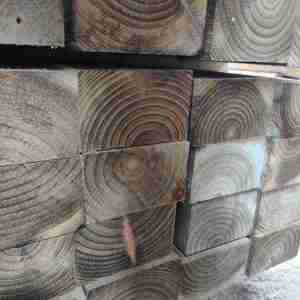
5×3 agricultural timber shed purlins used to support roof coverings on sheds and agricultural buildings where practical span control and load transfer are required.
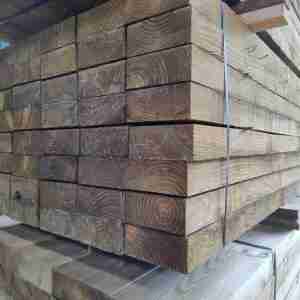
5×3 tanalised timber purlins used to support roof coverings on sheds and agricultural buildings where span control, strength, and weather resistance are required.
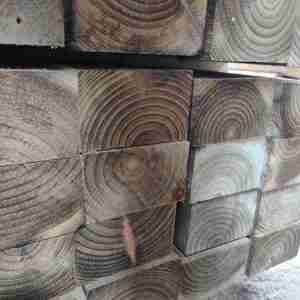
Ungraded 6×3 tanalised timber purlins used for shed and agricultural roofing where durability, practical strength, and longer 20ft lengths are required.
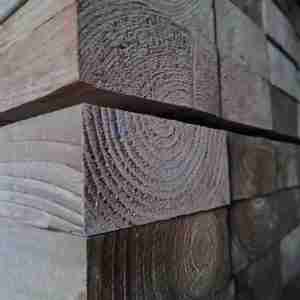
7×3 tanalised timber purlins used to support roof coverings on sheds and agricultural buildings where increased strength, longer spans, and weather resistance are required.
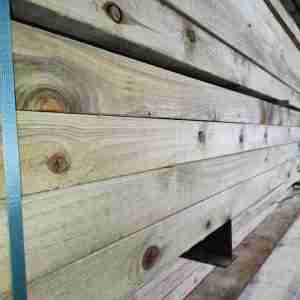
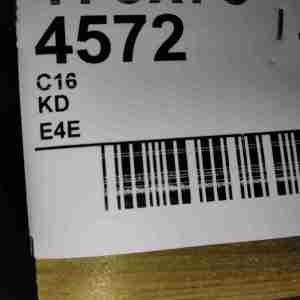
Pressure-Treated Structural Timber | 175×75mm | External Use
✓ Perfect for agricultural building roofs and shed structures
✓ Pressure-treated throughout for long-term weather resistance
✓ Kiln-dried to prevent warping after installation
✓ 15ft length (4.57m) suits standard roof spans
✓ Low cost delivery within 30 miles of Pickering, North Yorkshire
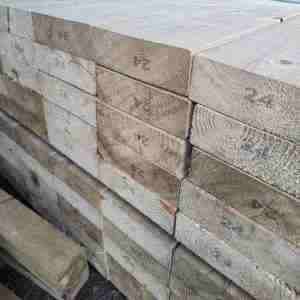
9×3 C24 tanalised structural timber used for external roof purlins and load-support applications where strength, durability, and moisture resistance are required.

Ungraded 9×3 tanalised timber purlins used for shed and agricultural roofing where durability, section size, and a longer 20ft length are required.
Pressure-Treated Structural Timber | 225×75mm | External Use
✓ Larger section for longer spans and heavier roof loads
✓ Pressure-treated for decades of outdoor durability
✓ C16 structural grade for certified load-bearing performance
✓ 15ft length suits agricultural and commercial roof structures

Ungraded 9×3 tanalised timber purlins used for shed and agricultural roofing applications where durability and section size are required but formal strength grading is not specified.
7×3 tanalised timber purlins used for roof support and general structural applications where a larger section and treated durability are required.
Ryedale Timber supplies high-quality timber purlins to builders and farmers across North and East Yorkshire. These horizontal structural members are essential for supporting roof loads, redistributing weight from the cladding or rafters to the primary building frame or gable walls. Our range includes standard C16 grades for general use and premium C24 grades for larger spans and heavy-duty agricultural specifications.
In roof construction, a purlin is a longitudinal beam that runs parallel to the building’s ridge. Unlike common joists, purlins are designed to support the “imposed loads” of a roof—such as snow and wind—while managing the “self-weight” of the roofing materials themselves.
At Ryedale Timber, we specialise in long-length tanalised purlins, typically available in 15ft and 20ft spans, ensuring you can achieve the required coverage with minimal joints.
The way purlins are integrated into your roof design significantly impacts structural integrity and the overall profile of the building:
Under-Purlins: Positioned beneath the rafters to reduce their effective span, allowing for thinner rafter sections.
Flush Purlins: Set at the same level as rafters using joist hangers, creating a streamlined roof profile often used in modern residential builds.
Through Purlins: Sit directly on top of principal rafters, a common choice for simplifying installation in large sheds.
Common Purlins: Closely spaced beams that support roof cladding directly, eliminating the need for secondary rafters entirely.
To ensure stability, we recommend using cleats (timber or steel blocks) to prevent sliding and knee braces to provide lateral stability and reduce the effective span.
When specifying timber purlins for your project, several variables must be considered to prevent lateral torsional buckling (twisting under load) or deflection (sagging):
Span: The distance between your primary supports (walls or trusses).
Spacing (Centres): Usually determined by the type of roof cladding being used.
Bearing Requirements: It is vital to ensure sufficient “bearing” at the ends (often on masonry corbels) to prevent crushing the timber fibres.
We stock a variety of sizes suited to different load requirements and spans.
| Purlin Size | Grade | Treatment | Typical Use Case |
|---|---|---|---|
| 5×3 (125mm x 75mm) | Agricultural | Tanalised | Small sheds and outbuildings |
| 7×3 (175mm x 75mm) | C16 | Tanalised | Standard agricultural spans (up to 4.5m) |
| 9×3 (225mm x 75mm) | C16 / C24 | Tanalised | Heavy-duty barns and 6m spans |
Important Technical Warning: Do not substitute a specified C24 purlin with a C16 grade. While they may look identical, C24 timber is denser and has fewer knots, providing the higher bending strength required for long spans. Using an inferior grade can lead to shear failure or excessive sagging over time.
Yard-Managed Quality: We manage our own yard in Pickering to ensure all lengths are stored flat and true, preventing the bowing often found in generic merchant stock.
Pressure-Treated Protection: For agricultural and open-sided buildings, we recommend our tanalised (pressure-treated) purlins. This treatment is essential for protecting against rot and woodworm infestation in environments where moisture levels can fluctuate.
Direct Delivery: We operate our own fleet of vehicles, ensuring that the purlins arrive on-site safely and on schedule across North and East Yorkshire.
Ryedale Timber is a specialist supplier of structural and agricultural timber. From our base in Pickering, we ensure every purlin meets the strict grading requirements for British construction.
We serve trade and DIY customers within 30 miles of Pickering, North Yorkshire. Our delivery teams provide reliable service to York, Scarborough, Malton, and Thirsk. We are also the preferred supplier for rural projects in Driffield, Bridlington, Whitby, and Filey.
For remote farm builds and coastal renovations, we regularly deliver to Helmsley, Kirkbymoorside, Easingwold, Pocklington, Guisborough, and Robin Hood’s Bay.
We deliver our full range of Timber Purlins to the following areas. Deliveries typically take 3–5 working days.
| Delivery Area | Postcodes Covered | Flat Rate | Minimum Spend |
|---|---|---|---|
| Pickering | YO18 | £5.00 | £50 |
| Malton | YO17 | £10.00 | £100 |
| Scarborough | YO11, YO12, YO13 | £10.00 | £100 |
| Filey | YO14 | £12.00 | £100 |
| Helmsley | YO62 | £15.00 | £150 |
| Kirkbymoorside | YO62 | £15.00 | £150 |
| Bridlington | YO15, YO16 | £15.00 | £200 |
| Whitby | YO21 | £20.00 | £200 |
| Robin Hood’s Bay | YO22 | £20.00 | £200 |
| Driffield | YO25 | £30.00 | £300 |
| York | YO1, YO10, YO19, YO23, YO24, YO26, YO30, YO31, YO32, YO43, YO44, YO51, YO60 | £30.00 | £300 |
| Easingwold | YO61 | £30.00 | £300 |
| Thirsk | YO7 | £35.00 | £300 |
| Pocklington | YO41, YO42 | £35.00 | £350 |
| Guisborough | TS14 | £40.00 | £500 |
No. While both are horizontal structural beams, they serve different purposes. A joist typically supports a floor or ceiling and is supported by walls or larger beams. A purlin specifically supports the roof’s primary surface (cladding or rafters) and runs perpendicular to the roof’s slope, transferring the load to the building’s main frame or trusses.
The primary purpose of a purlin is to provide a support structure for the roof cladding (such as metal sheets or timber boarding) and to redistribute the roof’s weight to the rafters or load-bearing walls. They prevent the roof from sagging between supports and provide essential lateral bracing to the overall structure.
Yes, a damaged purlin can be replaced, but it is a significant structural task. Because purlins are load-bearing, the roof must be properly propped and supported before the damaged section is removed. We recommend consulting a structural engineer or professional joiner to ensure the “bearing” of the new purlin is sufficient and that connections like birdsmouth joints or cleats are correctly installed.
Absolutely. Purlins are critical load-bearing members. They must be calculated to withstand the combined weight of the roofing material, as well as environmental “imposed loads” such as heavy snowfall or wind pressure. Using under-sized purlins can lead to structural failure or permanent roof deformation.
WhatsApp us
Your basket is currently empty!
Notifications