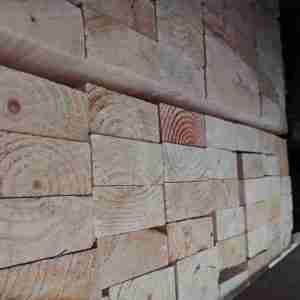
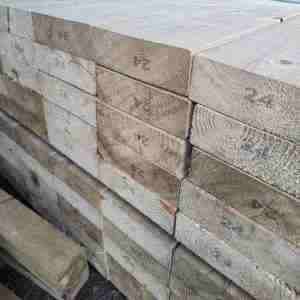
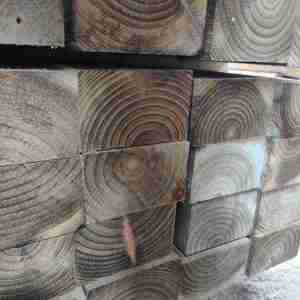
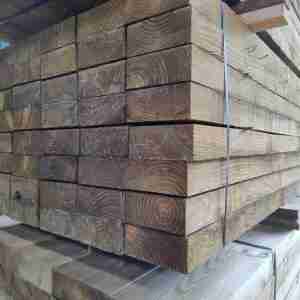
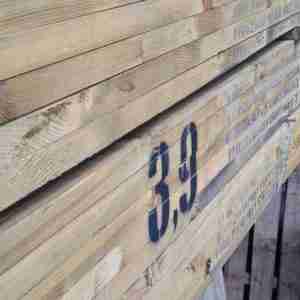
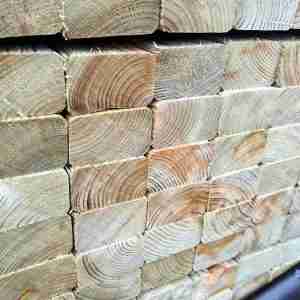
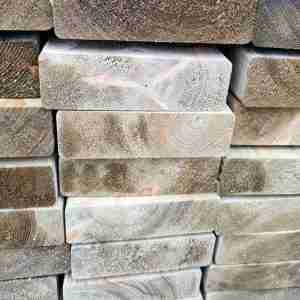
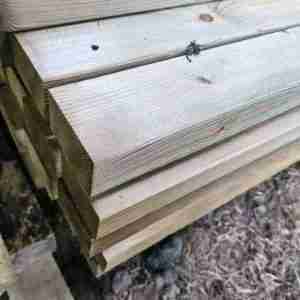
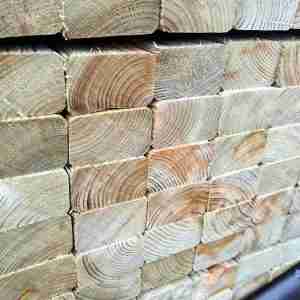
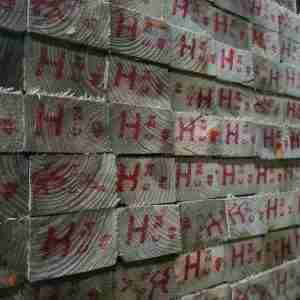
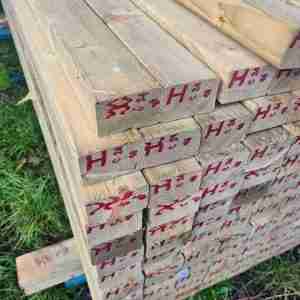
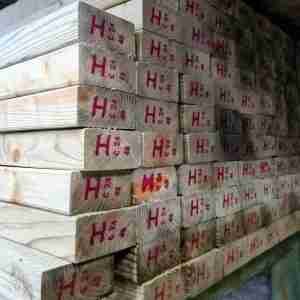
Structural timber covers timber products that carry load, support buildings, or form part of a structural system. These materials are used where performance matters more than appearance, and where the correct grade, section size, and treatment directly affect long-term reliability. This category brings together all timber intended for structural and support use, from carcassing to roofing components.
What Structural Timber Is Used For
Structural timber is used wherever timber forms part of a building’s load path or support framework. Typical applications include:
- Wall framing and studwork
- Floor joists and roof structures
- Shed and agricultural building roofs
- Battens and purlins supporting roof coverings
- Secondary supports and structural detailing
The exact product required depends on span, load, exposure, and whether the work is subject to inspection.
Structural Timber Grades & Components Explained
Structural timber is not a single product. It is a group of timber products, each designed for a specific structural role.
Structural Carcassing Timber
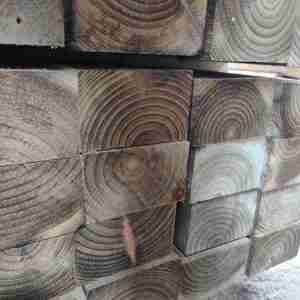
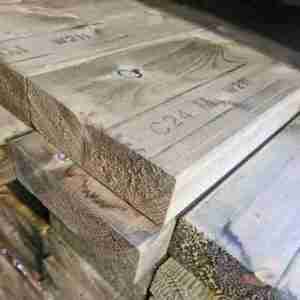
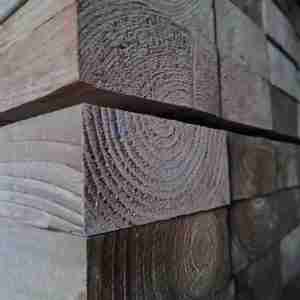
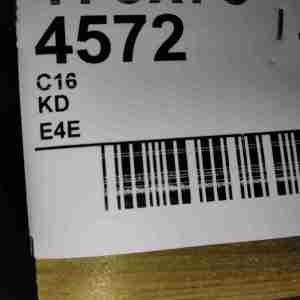
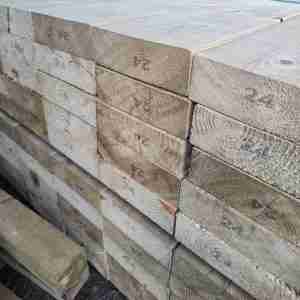
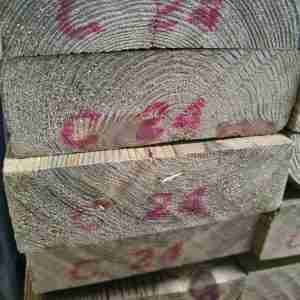
C16 and C24 structural timber are used for framing and load-bearing construction. The grade determines strength and stiffness, with higher grades specified where loads are greater or spans are longer.
Choosing the correct grade is essential for structural performance and compliance.
Roof Battens
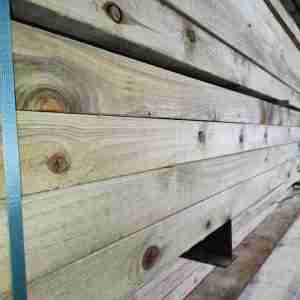
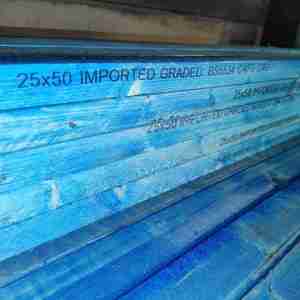
Roof battens are used to fix roof tiles and coverings, forming part of a roofing system rather than the main frame. Where tiled roofing is involved, grading and correct spacing matter, particularly on inspected work.
Shed Purlins
Purlins are structural members used to support roof sheets and coverings across wider spans, most commonly on sheds and agricultural buildings. They play a key role in load transfer and roof stability.
Smaller Section Structural & Support Timber
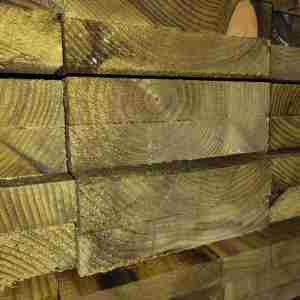
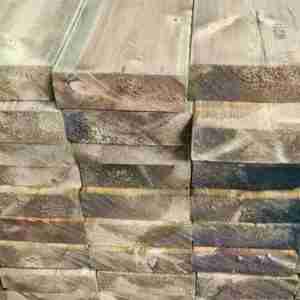
Smaller section treated timber is often used for secondary supports, bracing, and detailing, particularly where moisture exposure is expected. These products still perform a structural role but are selected based on application rather than primary load-bearing capacity.
Why Structural Timber Needs Correct Specification
Using the wrong timber in a structural role can lead to:
- Excessive movement or deflection
- Reduced load capacity
- Problems with inspection or approval
- Premature failure over time
Structural timber should always be chosen based on what it is supporting, not simply size or price.
Why Buy Structural Timber From Ryedale Timber?
We stock structural timber for practical construction use, not general-purpose timber sold into the wrong application.
When you buy structural timber from Ryedale Timber, you get:
- Clearly defined structural grades and components
- Timber supplied for its intended structural role
- Consistent sizing to reduce on-site issues
- Products selected with performance, not appearance, in mind
This category is supplied for trade, agricultural, and project customers who need timber that performs as expected once installed.
Local Supply & Delivery
Structural timber is supplied from our yard in Pickering, with local delivery available across North Yorkshire and East Yorkshire.
All structural timber is supplied to the same standard, whether for a full build or a smaller project.
What to Do Next
- Choose the correct structural timber category above based on your application
- Order for local delivery or collection
This category is designed to help you navigate structural timber by function, ensuring the right product is used in the right place, with no ambiguity.
Frequently Asked Questions
What makes timber “structural”?
Structural timber is timber used to carry load or support part of a building, where strength, grade, and sizing directly affect performance.
Do all structural timber products need to be graded?
Primary load-bearing timber must be graded. Some structural components, such as battens or secondary supports, have different specification requirements depending on their role.
Can structural timber be used externally?
Yes, provided the correct treatment level is selected for the environment and exposure conditions.
Is C16 or C24 structural timber better?
Neither is “better” in all cases. C24 is used where higher strength or longer spans are required, while C16 is suitable for many general structural applications.