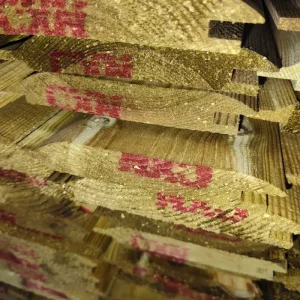
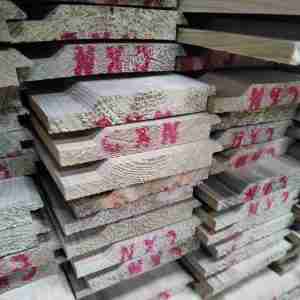
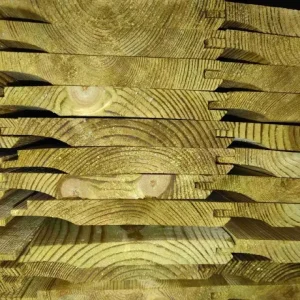
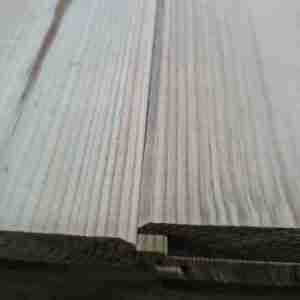
Timber cladding is the ideal solution for creating weather-tight, aesthetically pleasing exteriors for sheds, summerhouses, and workshops. At Ryedale Timber, we provide a range of pressure-treated (tanalised) profiles including Shiplap, Tongue and Groove (T&G), and Log Lap, all designed to offer long-term protection against the British elements.
What is Timber Cladding?
Cladding refers to the outer layer of a building designed to protect the structure from moisture and wind while providing a finished look. Unlike standard structural timber, cladding boards are machined with specific profiles—like a “tongue” and a “groove”—that allow them to interlock.
Our cladding is predominantly machined from high-quality softwoods like European Redwood or Whitewood and is pressure-treated to User Class 3 (UC3), making it suitable for outdoor use without further treatment required at the point of installation.
Key Profiles & Use Cases
Choosing the right profile is essential for both the look and the weather-resistance of your project:
Shiplap Cladding: Features a curved “scallop” at the top of the board. This creates a channel that sheds water away from the joints very efficiently. It is the gold standard for sheds and home offices.
Tongue and Groove (T&G): These boards slot together to create a flat, flush finish. Our V-Groove Match Boards are a popular choice for a contemporary look on summerhouses or internal feature walls.
Log Lap: These boards have a curved outer face, giving the appearance of a traditional log cabin. Our Heavy Duty Log Lap is thicker than standard boards, providing superior insulation and durability for year-round garden rooms.
Performance & Technical Specifications
To ensure your cladding lasts, it is important to understand the technical nuances of timber machining:
Nominal vs. Actual Size: In the timber trade, cladding is often referred to by its “nominal” size (the size of the wood before it was planed). For example, a board sold as 19mm may have a “finished” or actual thickness of 15mm. Always calculate your coverage based on the “face width” (the visible part of the board once installed) rather than the total width.
Pressure Treatment: All our external cladding is tanalised. This process involves forcing preservative deep into the wood fibres, protecting against rot, fungal decay, and insect attack.
Cladding Profile Comparison
Selecting the right interlocking style ensures your building remains dry and stable.
| Profile Type |
Best Application |
Key Benefit |
| Shiplap |
Sheds, Workshops, Garages |
Superior water shedding via scalloped edge |
| Tongue & Groove (V-Joint) |
Summerhouses, Interior Walls |
Flush, contemporary finish |
| Log Lap |
Garden Rooms, Log Cabins |
Traditional “log cabin” aesthetic; extra thickness |
Important Installation Note: When installing horizontal cladding, always ensure the “tongue” is pointing upwards. This prevents water from sitting in the groove, which can cause premature rot even in treated timber.
Professional Warnings & Limitations
Expansion Gaps: Timber is a natural product that moves with the seasons. Do not “over-tighten” the boards during installation; leave a 1–2mm gap in the tongue and groove joints to allow for natural expansion during wet winter months.
Ground Contact: While our cladding is tanalised, it is not rated for permanent ground contact. Ensure your bottom board is at least 150mm above the ground or sits on a treated sleeper or brick plinth to prevent “wicking” of moisture.
Why Trade & DIY Choose Ryedale Timber
Pickering Managed Yard: We don’t just “drop-ship.” We manage our own stock in Pickering, ensuring your cladding is stored flat and out of the sun to prevent warping before it reaches your site.
Consistent Grading: We source high-quality joinery-grade redwood for our cladding profiles, meaning fewer knots and a smoother finish than the budget “overlap” boards found at national retailers.
Timber Cladding: Local Expertise & Quality
Ryedale Timber supplies high-grade Tanalised Cladding to builders and DIY enthusiasts across North Yorkshire. By managing our own yard in Pickering, we ensure that every board is inspected for quality and stored correctly to maintain its profile.
We provide specialist delivery across North Yorkshire and East Yorkshire. Our dedicated team regularly delivers cladding to York, Scarborough, Malton, and Thirsk. We are also the preferred supplier for rural projects in Driffield, Bridlington, Whitby, and Filey.
For coastal and moorland builds where weather-proofing is critical, we deliver to Helmsley, Kirkbymoorside, Easingwold, Pocklington, Guisborough, and Robin Hood’s Bay.
Timber Delivery: North Yorkshire & East Yorkshire
We deliver our full range of Cladding and Shiplap to the following areas. Deliveries typically take 3–5 working days.
| Delivery Area |
Postcodes Covered |
Flat Rate |
Minimum Spend |
| Pickering |
YO18 |
£5.00 |
£50 |
| Malton |
YO17 |
£10.00 |
£100 |
| Scarborough |
YO11, YO12, YO13 |
£10.00 |
£100 |
| Filey |
YO14 |
£12.00 |
£100 |
| Helmsley |
YO62 |
£15.00 |
£150 |
| Kirkbymoorside |
YO62 |
£15.00 |
£150 |
| Bridlington |
YO15, YO16 |
£15.00 |
£200 |
| Whitby |
YO21 |
£20.00 |
£200 |
| Robin Hood’s Bay |
YO22 |
£20.00 |
£200 |
| Driffield |
YO25 |
£30.00 |
£300 |
| York |
YO1, YO10, YO19, YO23, YO24, YO26, YO30, YO31, YO32, YO43, YO44, YO51, YO60 |
£30.00 |
£300 |
| Easingwold |
YO61 |
£30.00 |
£300 |
| Thirsk |
YO7 |
£35.00 |
£300 |
| Pocklington |
YO41, YO42 |
£35.00 |
£350 |
| Guisborough |
TS14 |
£40.00 |
£500 |
Related Timber Products
Complete your project with these essential items:
Frequently Asked Questions
What timber is best for cladding?
The best timber depends on your budget. Western Red Cedar and Siberian Larch are top choices because they naturally resist rot without extra chemicals. Accoya is the most durable and stable option but comes at a higher price. For those on a tight budget, Treated European Redwood (Pine) is a standard, cost-effective alternative.
What are the rules for timber cladding in the UK?
Most projects fall under “Permitted Development,” but you need planning permission if you live in a Conservation Area or a Listed Building. For fire safety, cladding on houses within 1 metre of a boundary must meet specific fire-resistance ratings. In England, combustible cladding is banned on most buildings over 18 metres tall.
How long will timber cladding last?
Lifespan varies by species. Treated softwoods usually last 15–25 years. Naturally durable woods like Larch and Cedar can last 30–50 years. High-performance modified woods like Accoya often last over 50 years if installed with a proper ventilation gap.
What cladding to avoid for exteriors?
Avoid untreated softwoods like Spruce or standard Pine, as they will rot quickly. Do not use boards thinner than 15mm, as they are likely to warp. Also, avoid any timber that has not been kiln-dried to the correct moisture content, as it may shrink or split after installation.
Does cladding cause damp?
No, provided it is installed with a ventilated cavity. You must use timber battens to create a gap between the cladding and the wall. This allows air to circulate and moisture to drain away. A breathable waterproof membrane must also be fitted behind the battens to keep the structure dry.